
A close look at Bleap's zero-fee Mastercard, paid from a self-custody crypto balance
 Available in US
Bleap is a Mastercard debit card that draws from a crypto balance held in a non-custodial wallet inside the Bleap app. It is built for people who already hold stablecoins or other crypto and want to spend them in shops, online, and at ATMs without converting to a bank account first. The headline pitch is hard to argue with: no issuance, monthly, or maintenance fee, no foreign-exchange markup, and free ATM withdrawals up to a monthly cap. Whether the day-to-day experience matches that pitch is what this review is built to answer.
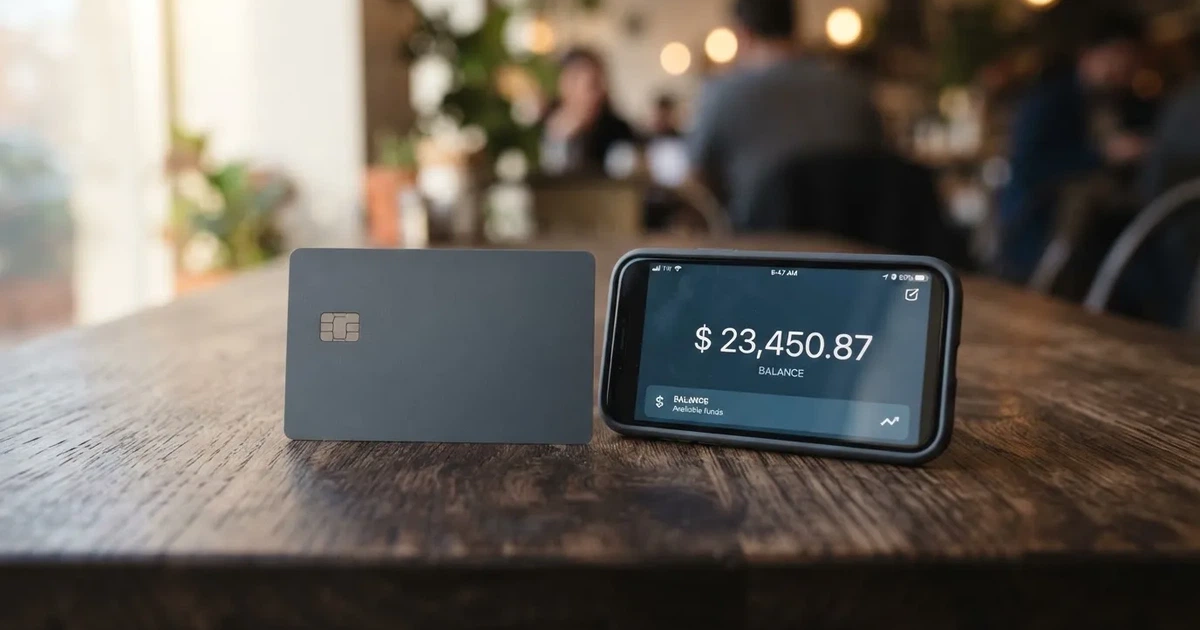
I went through the card’s public pages, the help center, the company filings, and the independent reporting on the product. What follows is what I found, what I think it means for someone weighing the card against the alternatives, and where Bleap is still rough around the edges. The conditions in this article are current as of October 28, 2026.
Verdict
Bleap earns 7.5 / 10 in my scoring. The card itself is unusually generous: no recurring fees, no foreign-exchange markup, free ATM withdrawals up to EUR 400 a month, and cashback in USDC of up to 20% in selected categories. The catch is on the access side. As of the conditions here, Bleap is open to residents of the EEA and parts of Latin America, with Mexico and Brazil live and other countries listed as “coming soon.” That leaves a large share of the world — including the United States, the UAE, Turkey, and Nigeria — out of reach regardless of where they live, and the company has not been in business long enough for a long reliability track record.
If you live in a supported country, want a fee-light card you can fund from a self-custody crypto balance, and are comfortable with a young fintech’s support response times, Bleap is a credible option. If you need a card you can use globally, want a card backed by a household-name bank, or live in a country that is not on the list, you should look at the alternatives section instead.
Score table
| Criterion | Mark | Why it scored that way |
|---|---|---|
| Who can get it | 6 / 10 | EEA and selected Latin American residents only; long list of countries excluded by citizenship; coverage still rolling out. |
| Cost | 9 / 10 | No issuance, monthly, maintenance, or FX markup fees; free ATM withdrawals up to EUR 400 a month; bank-transfer top-ups in EUR/USD have no Bleap conversion fee. |
| Top-up options | 8 / 10 | Bank transfers in EUR or USD plus external-wallet tokens on Solana, Base, and Arbitrum; other currencies auto-converted to USDC. |
| Reliability and complaints | 6 / 10 | MiCA CASP licence from Latvijas Banka (June 2026); Trustpilot 3.5/5 from 72 reviews; the company is not replying to negative reviews; reports of support taking two to three weeks and cards being blocked. |
| Everyday use | 9 / 10 | Virtual card issued instantly, physical Mastercard follows, Apple Pay and Google Pay supported, no annual fees. |
| Total | 7.5 / 10 | Strong on cost and day-to-day use; held back by narrow country coverage and the support complaints typical of a young card programme. |
Who Bleap will give the card to
Bleap is open to residents of the EEA and parts of Latin America. The full country list sits in the Help Center, and the page is updated as new countries come on stream. Mexico and Brazil are live now, with other countries in the region listed as “coming soon.” Eligibility is based on where you live, not where you hold citizenship.
In practice this means a US or UAE citizen living in Berlin can apply, while a German citizen living in Dubai cannot. Unofficial sources put the supported list at 31 countries and report that residents of the EEA and Switzerland are eligible, with US, UAE, Turkish, and Nigerian citizens excluded even when they live in a supported country. I have not been able to confirm that exclusion list against Bleap’s own pages, so treat it as a useful pointer rather than a guarantee: the only reliable way to know is to download the app and see whether your country appears in the country selector.
The underlying logic is regulatory. Bleap SIA, the Latvian company behind the product, holds a MiCA crypto-asset service provider licence from Latvijas Banka, and the card programme is built on top of that licence. That allows it to passport services across the EEA, but it does not extend a regulatory bridge to non-EEA residents.
How to sign up
The signup flow is built for speed. You download the app, complete identity verification, and either get a virtual card immediately or order the physical version. The headline on the homepage is “verification usually under 5 minutes,” and the steps from the Help Center are app, verification, virtual card instantly, or physical card on order. The full list of accepted identity documents and proof-of-address requirements lives in the Help Center article on verification.
There is a single verification level for the card. Unofficial sources describe that level as the highest available, with selfie, government-issued ID, and proof of address, and say Bleap may also ask for a residence permit or source-of-funds documents. The card’s own pages do not spell out the levels or the reasons an application would be rejected, so it is worth reading the verification article before you start.
The card itself is a Mastercard debit. The virtual version appears in the wallet as soon as verification clears; the physical version is shipped to EEA residents, with the homepage promising delivery “within 2 working days.” There is a conflict in the public materials: a Bleap blog post describes approval timelines that range from instant for the virtual card to two to four weeks for the physical card, and one third-party reviewer reports that the physical order was gated behind a referral. I would plan for a week or so and treat two days as the optimistic end.
Fees: what Bleap really costs
The fee picture is the strongest part of the product. There is no fee to issue the card, no monthly fee, no maintenance fee, no subscription, and no minimum balance. Foreign transactions carry a 0% FX markup from Bleap, although Mastercard’s exchange rate and any third-party charges set by the merchant’s bank still apply. Converting a bank-transfer top-up between EUR and USD inside the app costs nothing from Bleap, and converting tokens that already sit in your external wallet costs nothing either.
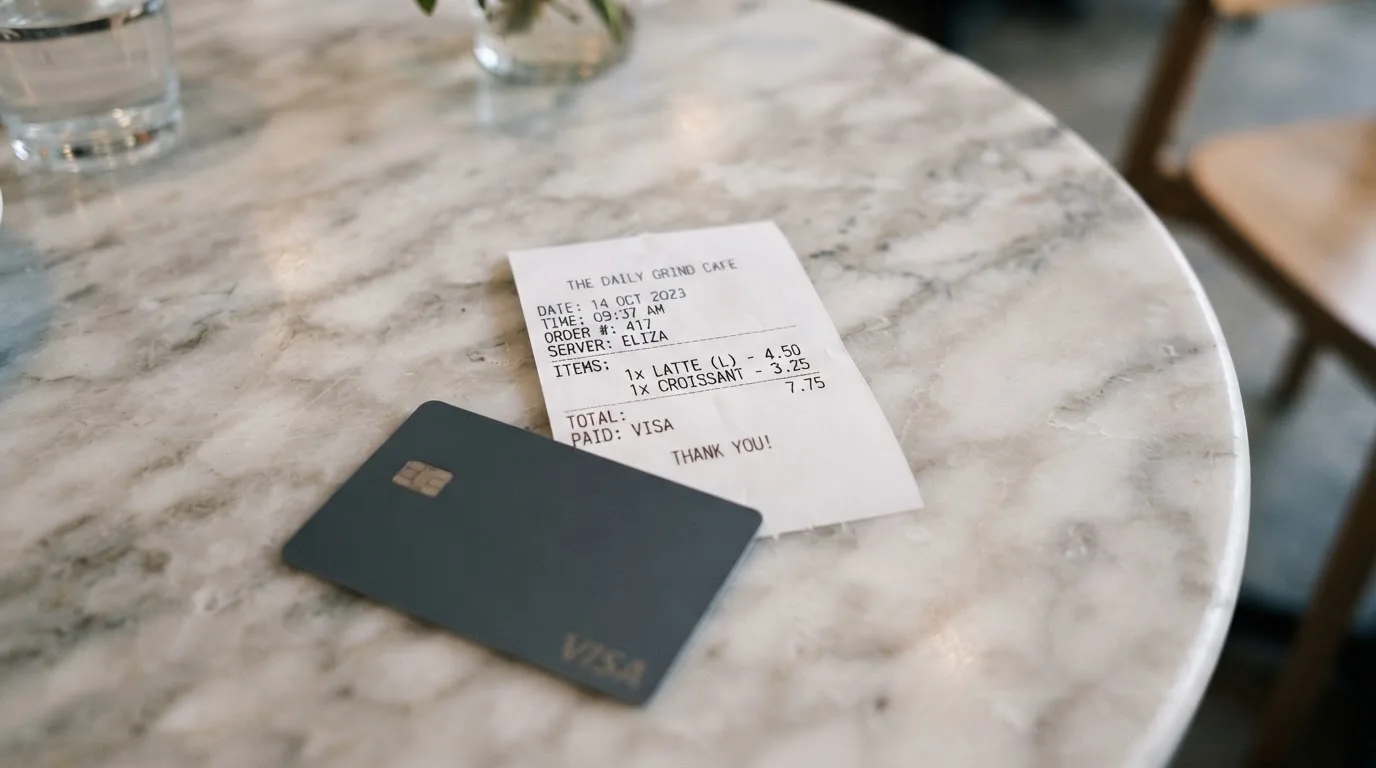
The ATM policy is a free allowance of EUR 400 per month. Above that cap, the fee is not stated in the public materials. There is also an internal conflict in Bleap’s own copy: the card page describes “free withdrawals worldwide” with no cap, while the FAQ and the homepage both cite the EUR 400 monthly cap. I would treat EUR 400 as the official number and assume anything beyond that may attract a fee that the public pages do not yet name.
There is no paid plan. A metal card is referenced as “coming soon” by one third-party tracker, but it is not confirmed on Bleap’s own pages at the time of writing.
Costs table
| Fee or limit | Amount |
|---|---|
| Card issuance | EUR 0 |
| Monthly fee | EUR 0 |
| Maintenance / subscription | EUR 0 |
| Minimum balance | EUR 0 |
| Foreign exchange markup | 0% (Mastercard rate and any third-party charges may still apply) |
| Bank-transfer conversion in EUR/USD | No Bleap fee |
| External-wallet token conversion in app | No Bleap fee |
| ATM withdrawals | Free up to EUR 400 per month; fee above cap not stated |
| Cashback | Up to 20% in USDC by merchant category |
| Spend limits | Not stated on public pages; unofficial figures: EUR 10,000 per transaction, EUR 15,000 per day, EUR 30,000 per rolling 30 days |
A few everyday payments to anchor the table. Buying a EUR 50 train ticket online from a euro account: no fee, no FX. Paying USD 80 for a hotel in New York with a euro balance: Mastercard’s wholesale rate applies, no Bleap markup, but the hotel’s own bank may add a cross-border surcharge, and your bank may treat the conversion as a separate event for personal accounting. Withdrawing GBP 100 from a UK ATM: covered by the EUR 400 free allowance, so no fee from Bleap, although the ATM operator’s own surcharge (if any) is on top.
Top up: how to fund the card
The card draws on a balance that can be funded in two ways. The first is a bank transfer in EUR or USD, which lands in the app as EURe or USDC at a 1:1 ratio. Other currencies you might send from your bank are auto-converted to USDC on arrival. The second is a transfer from an external crypto wallet in tokens on Solana, Base, or Arbitrum; converting those tokens in the app to spendable balance is a one-tap action with no Bleap fee.
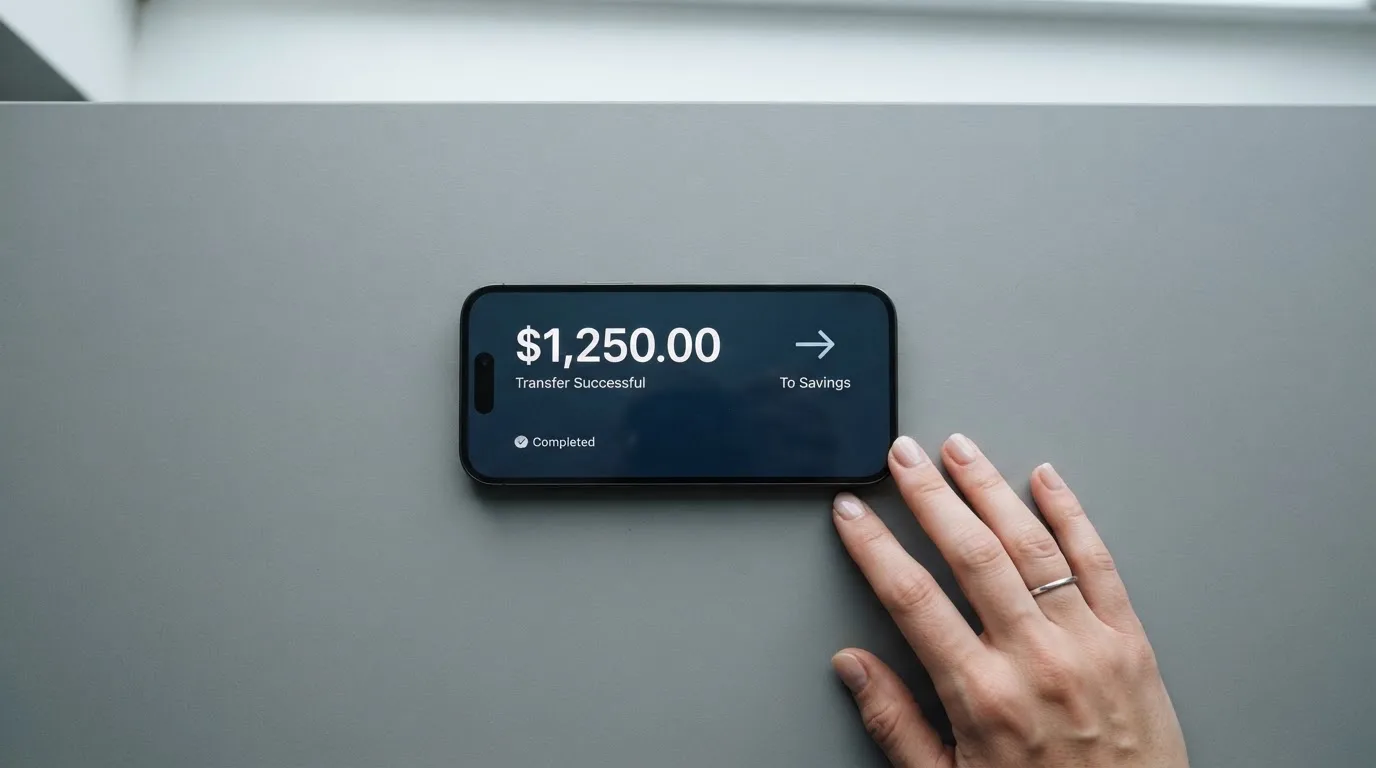
The minimum top-up, the on-chain network fee for crypto transfers, and the exact cost of the bank-transfer route are not stated in the public pages. Network fees are set by the blockchain itself, not by Bleap, so for a Solana transfer you should expect a sub-cent fee, while an Arbitrum or Base transfer will depend on the day’s gas market. Sending tokens on a network Bleap does not list is the single most common way to lose money on a card like this, because the funds may be unrecoverable.
Buying crypto with a bank card, Apple Pay, or Google Pay inside the app is reported to carry a 1% processing fee. I have seen that figure only on a third-party tracker, not on Bleap’s own pages, so I would confirm it in the app before relying on it.
There is also a savings feature, offered as vaults in USD with a EUR vault “coming soon.” The published copy says there is no withdrawal fee and no lock-in, but the same copy notes that the savings feature sits outside the MiCA-regulated services, so the MiCA investor protections that apply to other parts of the product do not extend to it.
Paying with the card every day
In daily use, Bleap behaves like a modern prepaid debit card. The virtual card is available the moment verification clears, and you can add it to Apple Pay or Google Pay from the app, which gives you a tokenised number on your phone that the issuer can restrict independently of the physical card if it needs to. The physical Mastercard follows once it ships.
The cashback structure is paid in USDC and is among the more generous I have seen on a fee-free card. The headline rate is up to 20%, broken down as 20% on streaming, gaming, and AI subscriptions, 3% on rides and food delivery, 2% on restaurants and supermarkets, and 1% on everything else. The cashback is paid after the merchant confirms the transaction, and the precise caps and conditions are in the cashback terms inside the app, which I would read before assuming a particular rate on a particular purchase.
The categories where the card will not work are not listed on the public pages. Industry practice is for crypto-linked cards to block merchant categories such as gambling (MCC 7995), and you should expect 3-D Secure challenges on the first few online purchases while the issuer learns your pattern. Address Verification Service, which many US merchants lean on, is generally unavailable for foreign-issued cards, so a small share of US online checkouts may decline.
The app itself is available on iOS and Android. Bleap’s homepage quotes 4.8 on the App Store and 4.5 on Google Play, although it does not give the underlying review counts or the date those marks were last verified. From the help center you can also reach in-app support and a status page, and there is a separate contact form on the website.
What can go wrong
The first thing to put on the table is who is behind the card and how it is regulated. Bleap SIA, the operator, is a Latvian-registered company (reg. 40203714425, Riga), wholly owned by Bleap Ltd, a UK company (company number 14918472, London, founded 2023). Bleap SIA holds a MiCA crypto-asset service provider licence (No. 27-55/2026/14) from Latvijas Banka, dated 25 June 2026. The card issuer and BIN sponsor are not named on Bleap’s own pages; one third-party tracker names Unlimit (Unlimit EU Ltd) as the issuer under Mastercard, which I have not been able to confirm against Bleap’s own filings.
The product’s security model is based on a non-custodial wallet inside the app. The private key is split into shares using a multi-party computation scheme, so no single party, including Bleap, holds the full key. There is no seed phrase, and account recovery is done through a secure email sign-in. Beyond that, the public pages do not describe what two-factor authentication, card-freeze, or spending-control features are in place, and there is no mention of insurance. The savings vaults, as noted in the Top up section, sit outside the MiCA-regulated perimeter, so any balance held there is not covered by the same investor protections as the rest of the product.
The third thing is the support experience. On Trustpilot, Bleap is rated 3.5 out of 5 from 72 reviews (59 in the last twelve months), read on 20 October 2026. The common themes in negative reviews are verification delays of two to three weeks, accounts locked with no reply from support, cards or transactions blocked without explanation, withdrawals limited to crypto with EURe hard to exchange outside the app, and one user who could not get the SMS needed to add the card to Google Wallet. The company has not replied publicly to the negative reviews. That does not mean the issues are widespread, but it does mean the support function is the weak link in the otherwise strong cost story.
Finally, the regulatory transition itself is worth keeping in mind. MiCA’s transitional period for firms already operating under national law runs until 1 July 2026 or until a CASP authorisation is granted or refused. Bleap’s authorisation is dated 25 June 2026, which means the company is fully inside the new regime. For you as a cardholder, the practical consequence is that funds held under the e-money or custody parts of the service sit behind the safeguards that come with that licence, while the savings feature does not.
What to take instead
If Bleap does not fit — because you live outside the supported countries, because you need a card backed by a longer-running programme, or because the support complaints give you pause — here are the alternatives I have looked at. The scores are from the same kind of review framework I have applied to Bleap.
BloFin Wallet Card (6.9 / 10)
A Visa card tied to the BloFin exchange account. The card page does not publish a country list, but the starting dataset suggests 35 countries including the US, Australia, Japan, the UAE, Brazil, Mexico, Malaysia, and New Zealand. There is no activation, annual, issuance, or dormancy fee. The spend fee is tiered by VIP level, from 1.00% at VIP 0 down to 0.00% at VIP 5, charged at the point of payment. The FX fee is not stated. Top-up is in USDT and USDC on Arbitrum and Base. There is no cashback; the trade-off is the lower spend fee at higher VIP levels. If you are already a heavy BloFin user, the fee structure can beat Bleap on spend cost; if you are not, the cashback model is less generous and the spend fee on the entry tier is steeper.
Decaf (6.2 / 10)
A Visa card with both virtual and physical versions, built on a self-custody wallet on Solana and Stellar. Decaf is not issued in a long list of restricted countries, including Belarus, China, Iran, Russia, Turkey, and a set of US states. Activation is USD 5 for the virtual card worldwide, USD 10 for the physical card in the US, or USD 90 for the physical card elsewhere; there is no annual or monthly fee. Decaf adds no FX markup of its own, so the rate you get is the Visa rate, with whatever the merchant’s bank adds. Top-up works through a Decaf payment link, a card, a bank transfer, or USDC; the card-page sample balance is shown in USDC. The cashback position is not stated. Decaf is more of a payments app than a rewards card, and the up-front physical-card cost is steep outside the US.
SafePal (6.2 / 10)
A virtual Mastercard debit card tied to a Swiss Fiat24 account, with spending limits given in euros. The country list on SafePal’s bank page was empty when I checked, so eligibility has to be confirmed in the app. There is no account-creation or management fee; the card-issuance fee is not stated. The standard top-up fee is 0%, and the Mastercard non-USD settlement fee is 1%. Swaps carry an unquantified spread, with a separate page elsewhere quoting “as low as 0.4%” for top-up on the top tier. Refund processing is USD/EUR/CHF 1 or CNH 7. Top-up supports crypto from more than 40 blockchains, converted to USDC by default or to fiat, with transactions on Arbitrum. There is no cashback; the offer instead is a referral programme that pays up to 40% of the referred user’s top-up fees, plus tier privileges tied to deposits, referrals, and SFP staking. SafePal is a better fit if you want a wider chain menu than Bleap supports and you do not need cashback.
| Card | Score | Network | Card fees | FX | Top-up | Cashback |
|---|---|---|---|---|---|---|
| Bleap | 7.5 / 10 | Mastercard | 0 | 0% markup | EUR/USD bank transfer, tokens on Solana, Base, Arbitrum | Up to 20% in USDC |
| BloFin Wallet Card | 6.9 / 10 | Visa | 0 | Not stated | USDT/USDC on Arbitrum, Base | None; tiered spend fee 1.00%–0.00% |
| Decaf | 6.2 / 10 | Visa | USD 5 virtual; USD 10 / USD 90 physical | None added by Decaf | Card, bank transfer, USDC | Not stated |
| SafePal | 6.2 / 10 | Mastercard | Not stated | 1% on non-USD settlement | 40+ blockchains, USDC default, Arbitrum | None; referral programme instead |
Who I would recommend Bleap to
Bleap is the right card for a fairly specific reader: someone who lives in the EEA, already holds stablecoins on Solana, Base, or Arbitrum, and wants a fee-light Mastercard to spend that balance in shops, online, and at ATMs without first converting to a bank account. The fee structure is the cleanest in this category: no issuance, monthly, or maintenance fees; no FX markup; no Bleap fee on conversions; free ATM withdrawals up to EUR 400 a month; and cashback in USDC of up to 20% in selected categories. If you are a heavy user of streaming services, food delivery, or ride-hailing apps, the cashback alone can cover a noticeable share of your monthly spend.
The card is the wrong fit if any of the following is true. You live outside the EEA and the listed Latin American countries, or your citizenship is on the unofficial exclusion list. You want a card backed by a household-name bank with a long support track record; Bleap is a young programme and the support response times in user reviews are a real concern. You need a card with a published, transparent fee above the ATM cap, or you want category restrictions spelled out in advance. You want your card balance covered by deposit insurance, which is not how e-money safeguarding works. You want cashback paid in fiat rather than USDC, which Bleap does not offer.
If any of those is a deal-breaker, the alternatives section walks through three cards that I would consider instead, and the comparison table summarises the fee, FX, and rewards trade-offs at a glance.
Frequently asked questions
What is the Bleap card?
The Bleap card is a Mastercard debit card linked to a balance inside the Bleap app. You can fund that balance with a bank transfer in EUR or USD, which lands in the app as EURe or USDC, or with tokens from an external crypto wallet on Solana, Base, or Arbitrum. The virtual card is issued instantly after verification, and a physical Mastercard can be ordered for delivery within the EEA.
How does the Bleap card work?
At signup you verify your identity inside the app, which usually takes under five minutes. You then get a virtual card you can add to Apple Pay or Google Pay, and you can order a physical card. When you pay, Bleap converts the balance to the merchant’s currency at the Mastercard rate with no additional markup, and any cashback is paid in USDC after the merchant confirms the transaction.
Is Bleap a bank?
No. Bleap SIA is a Latvian-registered company that holds a MiCA crypto-asset service provider licence from Latvijas Banka, dated 25 June 2026. The card programme sits on top of that licence, with an unnamed card issuer under Mastercard according to one third-party tracker. Funds are not held as bank deposits, and deposit guarantee schemes do not apply.
Who owns Bleap?
Bleap SIA (Latvia) is wholly owned by Bleap Ltd, a UK company registered in London (company number 14918472) and founded in 2023.
Is the Bleap card available in my country?
Bleap is open to residents of the EEA and parts of Latin America, with Mexico and Brazil live now and other countries listed as “coming soon.” One third-party source puts the list at 31 countries and excludes US, UAE, Turkish, and Nigerian citizens even when they live in a supported country. The only reliable way to know is to download the app and check the country selector.
How do I get a Bleap card?
Download the app, complete identity verification, and the virtual card appears in the wallet as soon as verification clears. You can then order the physical card for delivery within the EEA. The verification article in the Help Center lists the accepted identity documents and proof-of-address requirements.
Does the Bleap card require KYC?
Yes. You need to be at least 18, live in a supported country, and complete identity verification in the app. Unofficial sources describe the level needed for a card as the highest available, with selfie, government-issued ID, and proof of address, and additional documents may be requested.
Is the Bleap card free?
There is no issuance, monthly, maintenance, or subscription fee, and no minimum balance. Foreign transactions carry a 0% Bleap markup, bank-transfer top-ups in EUR/USD have no Bleap conversion fee, and ATM withdrawals are free up to EUR 400 a month. The fee above the ATM cap is not stated in the public materials.
How do I add the Bleap card to Apple Wallet?
Open the Bleap app after your virtual card has been issued, go to the card details, and follow the prompt to add it to Apple Pay. The same flow works for Google Pay on Android. One user review reports an SMS for adding the card to Google Wallet that never arrived, so contact support if the prompt does not appear.
Is the Bleap card safe?
The wallet inside the app is non-custodial in design, with the private key split into shares using multi-party computation, so no single party holds the full key. There is no seed phrase, and account recovery is through a secure email sign-in. The savings vaults sit outside the MiCA-regulated perimeter, so the protections that apply to the rest of the product do not extend to balances held there. The published materials do not list two-factor authentication, freeze, or insurance features.
How wallet cards work – cryptocardsexplained.com
Content created by the «cryptocardsexplained.com» team