
El Dorado is a virtual Visa that spends a USD balance funded by USDT, aimed at eleven Latin American and Caribbean countries.
 Available in US
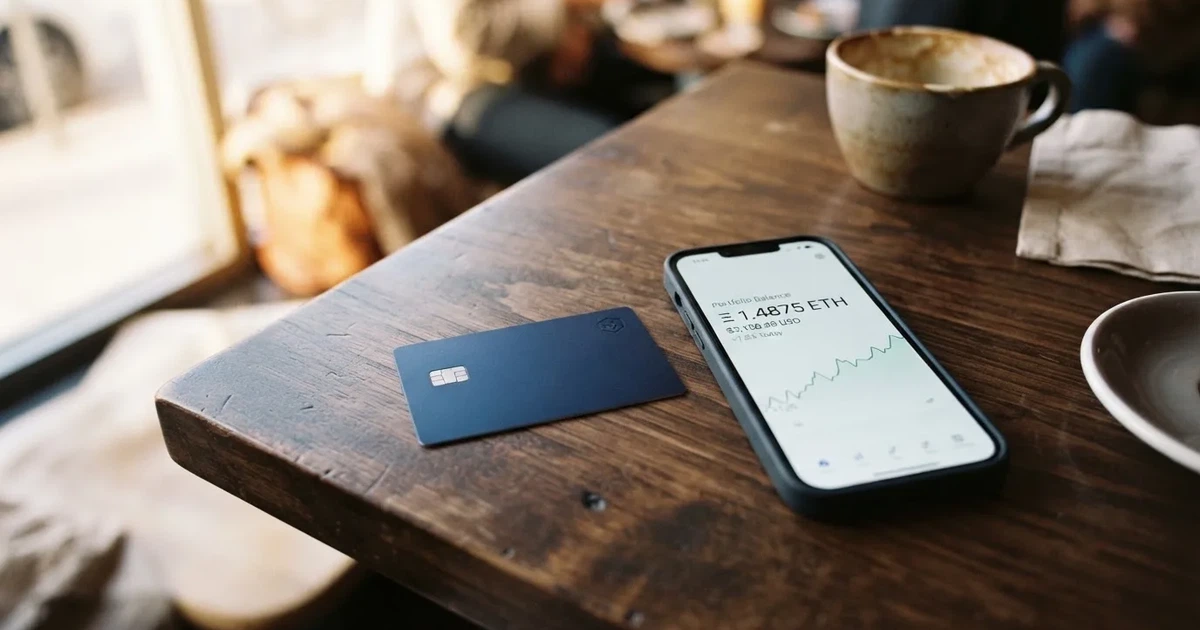
The El Dorado card is a prepaid virtual Visa denominated in US dollars, issued under a Visa U.S.A. licence and meant to be funded by stablecoins, mainly USDT. The card itself is digital only, with no plastic or ATM access; everyday spending goes through Apple Pay, Google Pay, or card details entered online. It is built for people in eleven Latin American and Caribbean countries who want a dollar-denominated card and already hold USDT, and it sits in a narrow niche rather than competing with mainstream debit cards.
The conditions described in this review are current as of October 28, 2026.
Verdict
I have spent time going through El Dorado’s card terms, the help centre, the Trustpilot profile, and the corporate disclosures, and I would score the El Dorado card 6.6 out of 10. That is a middling mark, and the way the points break down explains why: the card is cheap to get and run, and the funding rails are unusually generous for the region, but the everyday use case is narrow and the public information about how the card actually handles currencies, FX, and rewards is thin.
Here is how I read each criterion.
| Criterion | Mark | Note |
|---|---|---|
| Who can get it | 4 / 10 | Eleven countries in Latin America and the Caribbean (Bolivia, Brazil, Argentina, Colombia, Costa Rica, Ecuador, Guatemala, Honduras, Paraguay, Peru, Trinidad and Tobago); US residents excluded |
| Cost | 8 / 10 | One-time issuance 3.99 USDT, monthly maintenance free, USDT top-up free; card conversion fee not disclosed |
| Top-up options | 8 / 10 | USDT on Arbitrum and Tron, US dollars by ACH or wire, 80+ local methods through El Dorado P2P |
| Reliability and complaints | 8 / 10 | Issued by Lead Bank under a Visa U.S.A. licence, VASP-registered in Argentina, backed by Multicoin, Coinbase Ventures and Paradigm; Trustpilot 2.7/5 across 62 reviews, not card-specific |
| Everyday use | 5 / 10 | Virtual Visa only, Apple Pay and Google Pay supported, no plastic, no ATM |
The strongest parts of the package are issuance, monthly maintenance, and the variety of ways to fund the card. The weakest part is the everyday layer: a virtual-only card, no cash access, and a conversion and FX story that El Dorado does not fully explain in public. If you are in one of the supported countries, hold USDT, and want a dollar balance to spend on a phone, the card can fit. If you need a physical card, ATM access, or a card that is honest about every fee, you will be looking elsewhere.
The audience I have in mind as I write is a reader in Argentina, Brazil, Colombia or elsewhere in the supported list who is trying to use a USDT stack for day-to-day purchases, and who has run into the limits of local banking or of the bigger-name crypto cards that are not available in their country. For that reader, El Dorado solves a real problem at a low cost, but it is a tool with rough edges rather than a finished banking product.
Who will they give you the card
The El Dorado card is offered in eleven countries: Bolivia, Brazil, Argentina, Colombia, Costa Rica, Ecuador, Guatemala, Honduras, Paraguay, Peru, and Trinidad and Tobago. The list reads like a Latin American corridor with a couple of Central American additions and one Caribbean entry. US residents are explicitly out; the card is not issued in the United States even though the underlying issuer, Lead Bank, is a US bank. The country check is residence-based, which matters for expats and second-resident cases.
Beyond the country list, the terms treat the card as a Visa prepaid debit card denominated in US dollars, and the audience the card is built for is the Latin American USDT holder who wants a dollar balance to spend from. Argentina, with its currency controls and active crypto use, is plainly the lead market; the issuer’s VASP registration is Argentine, the iOS storefront used for the rating snapshot is the Colombian one, and the help centre is offered in Spanish, English, and Portuguese.
The cardholder has to be 18 or older. The full Level 2 identity check plus a short additional verification step is what stands between a new user and a working card. What that means in practice, in terms of which documents and how long it takes, is not stated on the public pages. The terms reserve the right to ask for more information at any time and treat refusal to provide it as a ground for cancellation, which is standard but worth noting if you are sensitive about how much personal data you hand over.
How to get it
Getting the card starts inside the El Dorado app. There is a “Get your card” button that takes you to the card application flow, and from there the steps are the same as opening a main El Dorado account: complete Level 2 verification, pass the additional check the app adds for cardholders, and you are issued a virtual Visa. There is no physical card, no delivery to wait for, and the card details — number, CVV, expiry — show up in the app for online and in-app use.
The main El Dorado account itself is free to open and gives you a US dollar account, a USDT balance, and a P2P marketplace. You do not need to be a heavy P2P user to use the card, but the card and the marketplace sit in the same product, and the card top-up draws from the main wallet. If you already have an El Dorado account for P2P trading, the card is essentially an extra feature; if you are coming in cold, you have to go through the main account’s onboarding first.
The help centre and a September 2026 article confirm that the existing virtual cards are being replaced by a new virtual card with fresh details, at no issuance fee, and with the same USD 2,000 daily limit. The cut-over date is left as an unfilled placeholder on the public page. Existing cardholders are told to look out for the new card and to switch over before the old one stops working.
What it really costs: Fees
The headline numbers on the card are friendly. There is a one-time issuance fee of 3.99 USDT, taken from your El Dorado balance, and the monthly maintenance is free. El Dorado reserves the right to set other costs, including zero-cost promotions, but the standard published fees for the card itself are limited to that single charge. The main USD account that backs the card is also free to open.
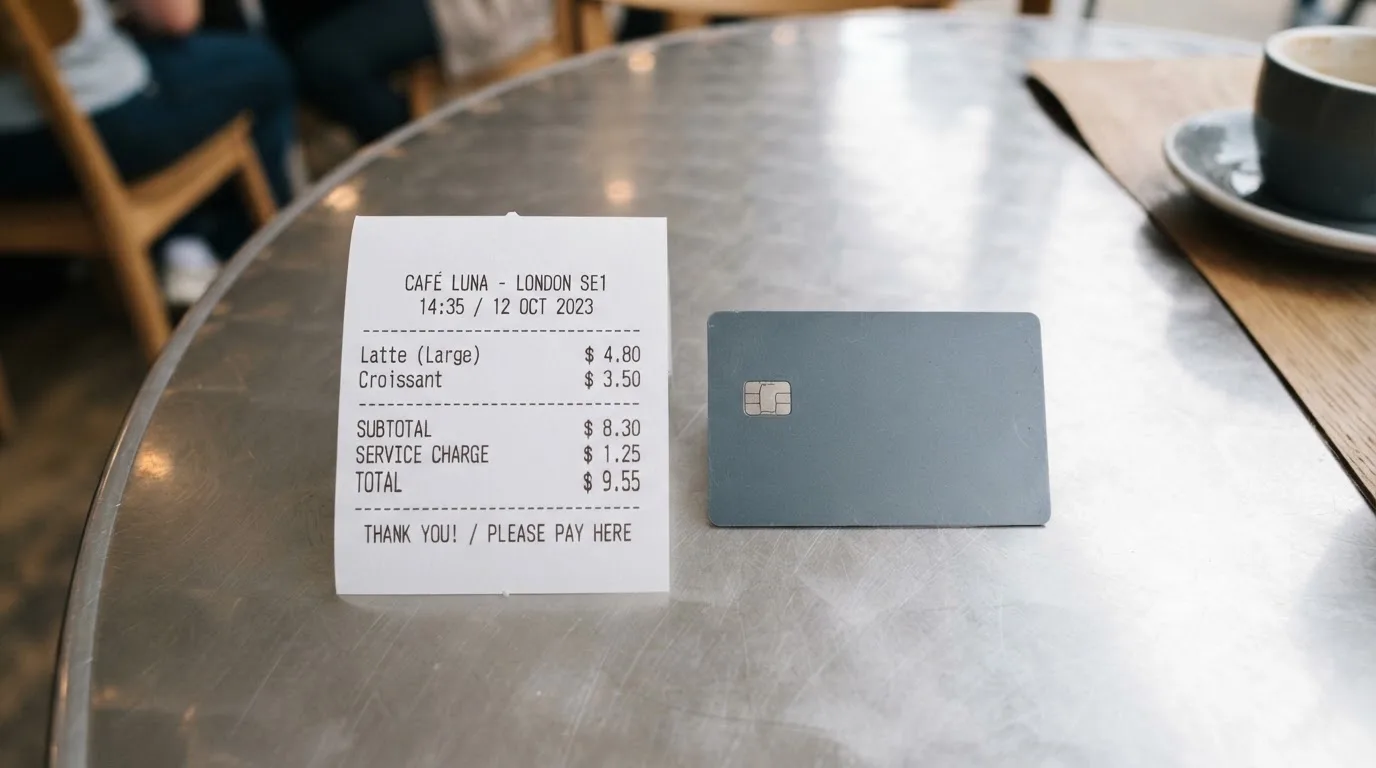
Funding the card from your USDT balance is free; topping up from a US bank account costs 1.49% on ACH or wire. Withdrawing USDT from your main El Dorado balance costs 0.99 USDT plus the network fee below 200 USDT, and 0.5% plus the network fee above that. The network fee is the gas you would pay the blockchain for any USDT transfer, not an El Dorado charge.
What the card’s own pages do not spell out is just as important. The card conversion fee, the foreign exchange fee, ATM fees and the everyday spending limits beyond the daily cap are not stated. El Dorado says the card has “no extra charges” on subscriptions and international purchases but adds that “fees may apply” without quantifying them. For a card that is meant for cross-border spending from a USDT balance, that gap is a real one. The company has not been caught charging egregious fees in user reports, but a reader who needs to know the exact number before swiping cannot find it.
The September 2026 update also makes a free replacement virtual card explicit, so the old 3.99 USDT issuance is not a recurring cost.
Here is the costs table, with everything I have been able to confirm from the official terms and the help centre.
| Fee or limit | Amount |
|---|---|
| Card issuance | 3.99 USDT, one-time, from El Dorado balance |
| Monthly maintenance | Free |
| New replacement virtual card | Free of issuance cost (from September 2026) |
| Card conversion / FX fee | Not stated |
| ATM withdrawal | Not allowed |
| Card top-up fee | Not stated |
| Card top-up minimum | Not stated |
| Daily spending limit | USD 2,000 (can be raised through support) |
| Monthly spending limit | None |
| USDT top-up to main account | Free |
| ACH / wire deposit to main account | 1.49% |
| USDT withdrawal under 200 USDT | 0.99 USDT + network fee |
| USDT withdrawal 200 USDT and above | 0.5% + network fee |
| P2P taker fee | From USD 0.49 flat to 0.24% by size; minimum 1 USDT |
To give a sense of how that lands in practice, three everyday payments are worth walking through.
A coffee at a local café in São Paulo paid by tapping your phone with Apple Pay. The price is in reais, your card is in US dollars, and your card balance is funded by USDT. El Dorado converts USDT to USDC for the card and shows the balance in USD (per the terms); the dollar amount is then converted to BRL at the card network’s rate. The card conversion fee is not stated, so I cannot give you a clean number; the network’s own FX margin is also undisclosed. The only number I can point to is the funding side: if you topped up by buying USDT with BRL through P2P, you paid the taker fee at the time of the trade, not when you spent.
A subscription to a streaming service in US dollars. The terms say USD payments involve no currency conversion on El Dorado’s side. If the merchant charges in USD and your card is in USD, you are paying a dollar for a dollar. What may still apply is the card conversion fee for the step from USDT to USDC, which is again not stated.
A cross-border online purchase priced in euros. The card is USD, the merchant charges in EUR, and somewhere in the chain a currency conversion happens. The merchant may pass through its own conversion with a markup, and your card issuer may add a fee; neither is disclosed. This is where a virtual, single-currency card on a less common corridor tends to be more expensive than the headline suggests, and where I would urge a reader to test with a small amount before committing.
How to top it up: Top up options
Topping up the card is the same as topping up your main El Dorado balance, and the card is a separate, card-sized view on top of that balance. You move money from your El Dorado wallet into the card section using the “Depositar” button, confirm with a PIN or biometrics, and the funds appear on the card, typically within a couple of minutes. There is no published limit on the number of top-ups, and the top-up fee and minimum are not stated.

Three funding paths feed the balance, and they are worth keeping separate because the fees and the friction are different.
USDT on Arbitrum or Tron. This is the path El Dorado builds around. You send USDT to your El Dorado deposit address on one of those two networks; El Dorado credits your account; you then top up the card. The deposit is free, but you pay the network’s gas or bandwidth fee. Arbitrum is an Ethereum layer-2 network, so the gas is paid in ETH and the cost is normally a few cents; Tron uses bandwidth and energy, often burning TRX, and is typically even cheaper. If you do not hold a small amount of the native token for gas, your transfer will fail, because ERC-20 transfers need ETH to pay for execution, and the wallet will not spend USDT to cover it.
US dollars by ACH or wire from a US bank account. ACH is the typical cheap, slow US bank transfer, and wire is the faster, more expensive one. Both are charged at 1.49% by El Dorado on deposit. The wire path is the one to use if you actually want to spend dollars and not bother with stablecoins.
Eighty-plus local payment methods through El Dorado P2P. The P2P marketplace is the bridge to local rails, and it is what makes the card usable in markets where getting dollars out of the local banking system is the hard part. You fund the account in pesos, reais or bolivianos through a local payment method, and a P2P counterparty hands you USDT in exchange. The taker fee ranges from USD 0.49 flat to 0.24% by trade size, with a USDT 1 minimum. Because P2P trades depend on a counterparty, the price and the speed depend on the order book at the moment you trade, and the rate can be worse than the mid-market USDT price.
Cancelling the card, if you want to stop using it, goes through Customer Service with an identity check and is processed within fifteen business days, as long as there are no pending transactions, pre-authorisations or chargebacks. The terms allow El Dorado to deduct outstanding obligations from your balance. How the remaining card balance is returned to you is not explained in the public documents, so that is a question for support before you close.
Paying with it every day
The card is virtual, so everyday use runs through three channels: card details entered at an online checkout, Apple Pay, and Google Pay. Both major mobile wallets are supported, which is the main everyday advantage of a virtual card over a physical one in 2026, since most modern point-of-sale terminals in Latin American cities take contactless phone payments and many online checkouts take wallet payments as well.
The card balance is in US dollars and is fed by the USDT in your main El Dorado wallet, with the terms saying the card spends from a USDC balance that the system holds for you, shown in USD. USD payments go through with no currency conversion on El Dorado’s side; the conversion fee for spending in other currencies is not stated. A USD 2,000 daily cap is the only spending limit on the card, and El Dorado says it can be raised through support; there is no monthly limit and no published reward or cashback programme on the card itself.
The app side of “everyday” is worth a word. The iOS app, listed as “El Dorado P2P” in the Colombian storefront at the time of writing, has a 4.9 rating across 777 ratings, requires iOS 15 or later, and is offered in Spanish, English and Portuguese. The Google Play listing exists; its rating was not retrievable on the page I checked, but El Dorado claims more than a million users and more than a million Google Play downloads.
Where the everyday story is thin is on the merchant side. El Dorado does not publish a list of blocked merchant categories, and it does not say whether gambling or adult merchants are allowed. The card works wherever Visa works online and in stores, including subscriptions, but a virtual card from a small issuer on a US BIN can occasionally hit friction at merchants that apply extra checks to prepaid or foreign-issued cards. Address Verification Service, the address-matching system used heavily in the US, Canada and the UK, is generally unavailable on foreign-issued cards and is one of the more common reasons a checkout can be declined.
Disputes on the card follow Visa’s standard rules: you report an unrecognised charge to Customer Service, and a formal dispute can be opened with the issuing bank. The terms say a USD 30 charge may apply if a formal dispute is opened, that claims are answered within up to fifteen business days, and that El Dorado may auto-deduct funds to cover a chargeback. There is no separate refund policy for the card. If you want to be safe, the practical answer is to use the card with merchants you know, and to use a different funding card on small or one-off vendors where a decline would be a problem.
What can go wrong
The risks I would watch as a reader fall into four groups: platform risk, regulatory risk, card programme risk, and the everyday operational risk of running a virtual card on a less common corridor.
Platform risk. El Dorado is a custodial platform, which means the balance that backs the card sits with El Dorado and not in your own wallet. The terms say the platform account is custodial, and the El Dorado security model rests on the company monitoring transactions and on the user keeping PIN and biometrics safe. There is no insurance published for the card balance, and no segregated-custody statement for the cardholder’s funds. El Dorado is registered as a VASP in Argentina and operates through a US-registered LLC and a Delaware LLC, with a US bank (Lead Bank) as the card issuer under a Visa U.S.A. licence. The named backers — Multicoin, Coinbase Ventures and Paradigm — are real crypto investors and were the lead on a reported USD 9 million round in June 2026, which is a positive signal but not a guarantee of solvency.
Card programme risk. Visa licences its issuers, and it has shown that it can and does terminate programmes. The most-cited recent case is the November 2022 termination of FTX’s global card agreements after FTX’s collapse, with the FTX US debit card wound down by its issuer. Older examples include WaveCrest’s 2018 suspension in Europe, which closed every WaveCrest-issued Visa programme overnight. El Dorado’s programme is held by Lead Bank, and Lead Bank’s standing is the underlying guarantee; a reader should keep an eye on changes at the bank, not at the brand.
Regulatory risk. El Dorado’s VASP registration is in Argentina; the rest of the corporate footprint is in the US. The supported country list is narrow, and a regulator in any of those countries can in principle change the rules, suspend the local VASP, or require customer funds to be ringfenced in a way that affects the card. The terms reserve the right to cancel the card and to ask for more information at any time, and to refuse a customer who does not provide it. Treat the offer as conditional.
Operational and security risk. El Dorado’s own published safeguards include app-based PIN or biometric confirmation on top-up, transaction monitoring, and the option of a temporary freeze on the card if you report an unrecognised charge. The terms say a card security PIN is “coming soon”. El Dorado publishes a fraud-warning line that it will never ask for the card number, CVV, password or codes, and the help centre is offered in Spanish and English. Support runs through in-app chat (Profile > Soporte), email at [email protected] for the main product and [email protected] for card terms, and a US phone number (1-855-679-8445) for card disputes. Support hours and language coverage for the phone line are not stated.
Complaints. I could not find a public review or news thread dedicated to the El Dorado card. The Trustpilot page for eldorado.io, the main El Dorado site, is at 2.7/5 from 62 reviews, with 6 reviews in the last twelve months; 61% are five-star, 28% are one-star. The recent one-star themes are P2P seller scams and missing refunds, slow delivery and unhelpful support, and rejected seller verifications without explanation, with one reviewer claiming a move from .io to .gg. None of these reports is card-specific, and the volume is too low to draw a strong conclusion, but the P2P complaints matter indirectly because P2P is the path most users take to fund the card.
What I would do in the reader’s place, in order. I would start with a small top-up to test the card on a familiar merchant before committing more of the balance. I would keep the long-term USDT stack in a self-custody wallet, not on the platform, and only move what I need to spend. I would check the daily limit with support before relying on the card for a large purchase. I would not use it for cash, because cash is not allowed. And I would not assume that a USD-denominated card on a foreign BIN will pass every checkout the first time; a small declined transaction is sometimes the price of admission for a less common card.
What to take instead
The El Dorado card is built for a specific reader in a specific set of countries, and the alternatives below are honest comparisons, not upgrades. Each of them has a different country list, a different funding story, and a different trade-off, and the right one depends on which of El Dorado’s gaps matters most to you.
| Card | Score | Countries (consumer) | Card type | Funding path | Card cost | Rewards |
|---|---|---|---|---|---|---|
| El Dorado | 6.6 / 10 | 11 countries in Latin America and the Caribbean (no US) | Virtual Visa, USD | USDT on Arbitrum or Tron, ACH or wire, P2P | 3.99 USDT one-time, monthly free | Not stated |
| Whop Cards | 5.2 / 10 | 31 US states; long unsupported-country list | Visa (type and currency not stated) | Whop balance, backed by stablecoin collateral | “No extra fees” | 5% cashback at select merchants (Uber and more planned) |
| Stella | 6.5 / 10 | Countries not stated; sanctions and US/Europe routing apply | Virtual and physical Visa | Crypto deposit auto-top-up | Not stated | Not stated on the card |
| UniFi Card | 4.7 / 10 | Send-money routes to the Philippines, Mexico, the eurozone, Colombia, Brazil and the UK; card availability not confirmed | Prepaid Visa, USD, issued by Lead Bank | ACH, wire, SEPA, SPEI, USDC wallet | Not stated | 3% on balances, per the listing (card cashback not stated) |
If the priority is a US presence and a more established card programme, Whop Cards operates in thirty-one US states and supports a stablecoin-backed balance, but its consumer country list is short and it explicitly excludes a long sanctions-and-risk list that includes Russia, Belarus, Cuba, Iran and Venezuela; the rewards are a 5% cashback at select merchants rather than a flat programme. If the priority is a physical card as well as a virtual one, Stella offers both but does not publish its country list and routes US and European users through affiliates. If the priority is a Lead Bank-issued Visa and a more developed funding story with ACH, wire, SEPA and SPEI, the UniFi Card shares an issuer with El Dorado, but its card availability outside its send-money corridors is not confirmed from official pages and its rewards are tied to holding a balance rather than to spending.
For a reader in El Dorado’s supported countries who cannot get any of these alternatives, the card remains a workable answer. For a reader who can, the choice comes down to whether the 3.99 USDT issuance and the P2P funding rails outweigh a thin fee schedule and a card that does not exist in plastic form.
Who I would recommend it to
I would recommend the El Dorado card to a reader in one of its eleven supported countries who already holds USDT, wants a US-dollar-denominated balance to spend from a phone, and is comfortable with a virtual-only product. For that reader, the card solves a real problem at a low cost: 3.99 USDT to issue, no monthly fee, USDT top-up free, ACH or wire if you prefer dollars, and a P2P marketplace that reaches eighty-plus local payment methods when the banking rails do not. Apple Pay and Google Pay cover the everyday in-person and online story.
I would not recommend the card to a reader who needs a physical card, ATM access, or a clear published fee for every cross-border transaction. The terms do not state the card’s conversion or FX fee, the FX margin on a foreign-issued Visa BIN is a real cost, and the published safeguards are enough for normal use but not for someone who needs insurance, a formal chargeback process, or a stable, long-running card programme from a household-name issuer. The Trustpilot complaints are about the P2P side rather than the card, and the issuer’s record at Lead Bank is the strong piece, but Visa has shown that it can terminate a programme on short notice, and the September 2026 card replacement is a reminder that the product is still being iterated.
If the reader is somewhere on the fence, the practical advice is to start with a small USDT balance, test the card at a familiar merchant, top up the daily limit with support if needed, and keep the long-term USDT stack in self-custody rather than on the platform. If that works, the card earns its place in the wallet. If it does not, the alternatives above are honest options to consider before committing more funds.
Frequently asked questions
What is the El Dorado card?
The El Dorado card is a prepaid virtual Visa denominated in US dollars, issued by Lead Bank under a Visa U.S.A. licence and built to be funded by USDT held in the El Dorado app. It has no physical form; the card number, CVV and expiry live in the app for online and mobile-wallet use, and Apple Pay and Google Pay are both supported. The card is offered in eleven Latin American and Caribbean countries and is not available to US residents.
How does the El Dorado card work?
The card spends a US-dollar balance that the system holds for you, fed by the USDT in your main El Dorado wallet. When you pay, the network routes the transaction through Visa to Lead Bank as the issuer, and the dollar balance is debited. If the merchant charges in a currency other than USD, a conversion happens; El Dorado’s terms say USD payments involve no currency conversion on El Dorado’s side, but the fee for paying in other currencies is not stated.
Is El Dorado a bank?
No. El Dorado is a crypto platform; the bank that issues the card is Lead Bank, a US bank. Bridge Ventures LLC is the programme manager for the card, and El Dorado Labs PY Inc is the platform provider. El Dorado is also registered as a VASP in Argentina (PSAV No. 63, August 2024) through El Dorado Labs S.R.L. The cardholder’s relationship for funds and disputes ultimately runs through the issuer and the programme manager, not through El Dorado as a bank.
Who owns El Dorado?
El Dorado is built by El Dorado Labs PY Inc, with El Dorado Labs S.R.L. as the Argentine VASP and EL DORADO MT LLC as a Florida-registered entity. The named backers include Multicoin, Coinbase Ventures and Paradigm, with Paradigm reported as the lead on a USD 9 million funding round in June 2026.
How do I get the El Dorado card?
You open an El Dorado account, complete the Level 2 identity check plus the additional card verification the app adds, and then use the “Get your card” button to apply. The card is virtual; once approved, the number, CVV and expiry appear in the app and you can add it to Apple Pay or Google Pay or use it at online checkouts.
Does the El Dorado card require KYC?
Yes. The card requires the standard El Dorado Level 2 verification, which is the level the terms associate with the card, and a short additional check inside the app. The exact documents and processing time are not stated in the public pages, and the terms reserve the right to ask for more information at any time and to cancel the card if the user does not provide it.
How do I top up the El Dorado card?
You fund your main El Dorado wallet first, and then tap the “Depositar” button in the Card section to move money to the card, confirming with a PIN or biometrics. The wallet can be funded by USDT on Arbitrum or Tron, by US dollars through ACH or wire, or by buying USDT on the El Dorado P2P marketplace using one of more than eighty local payment methods. Card top-up is normally instant.
Is the El Dorado card free?
The card has a one-time issuance fee of 3.99 USDT, no monthly maintenance, and free USDT top-up to the main account. A free replacement virtual card was introduced in September 2026. The fees the card terms do not state are the everyday conversion and FX fees; El Dorado reserves the right to set other costs but does not publish them. ATM withdrawal is not allowed.
How do I add the El Dorado card to Apple Wallet or Google Pay?
Open the El Dorado app, go to the card section, and follow the standard “Add to wallet” flow for the platform you use. Both Apple Pay and Google Pay are supported on the card, and the iOS app requires iOS 15 or later. If the option does not appear, make sure the card has been issued and verified and that your device’s wallet app is up to date.
Is the El Dorado card safe?
The card is issued by Lead Bank under a Visa U.S.A. licence, and the platform adds PIN or biometric confirmation on top-up plus transaction monitoring. The balance, however, is custodial, which means it sits with El Dorado rather than in your own wallet, and there is no insurance for the card balance. Treat the offer as conditional on El Dorado’s solvency and on Visa’s relationship with Lead Bank, keep long-term funds in self-custody, and only move what you need to spend.
How app and neobank cards work – cryptocardsexplained.com
Content created by the «cryptocardsexplained.com» team